


Brightening / Melasma / Redness / BlemishesLaser Toning - The Difference in a Single Detail

Laser Toning - The Difference in a Single Detail
A toning procedure that precisely targets deeper and wider areas to effectively break down pigments. Improves various pigmentation disorders such as melasma, lentigines, freckles, ABNOM, dark circles, etc., tailored to your skin condition. ※VAT separate ※Post-care separate Pricing Policy Period: 2026.02.01 ~ Pricing Policy Target: Patients visiting our clinic
Options
Treatment Details

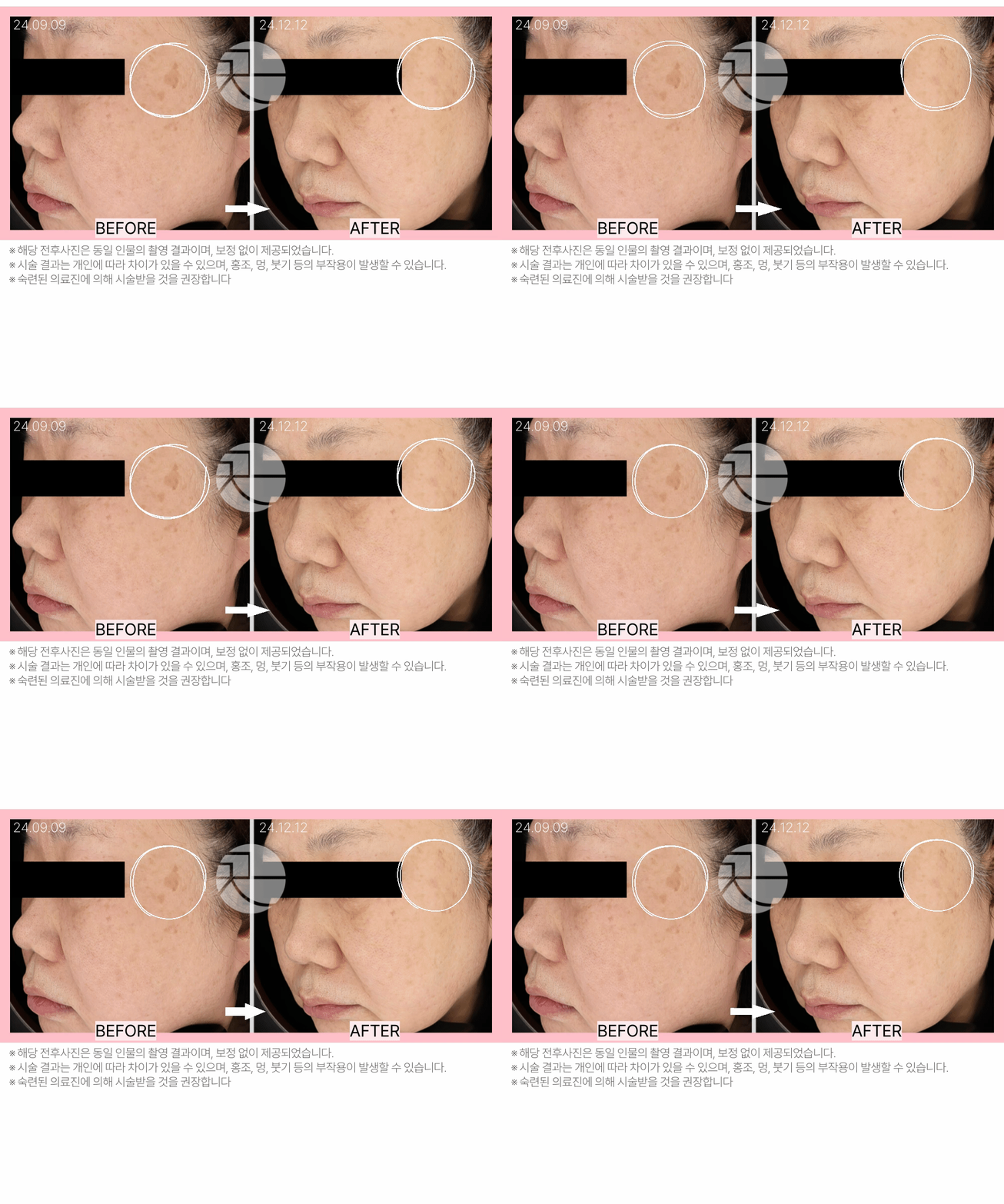
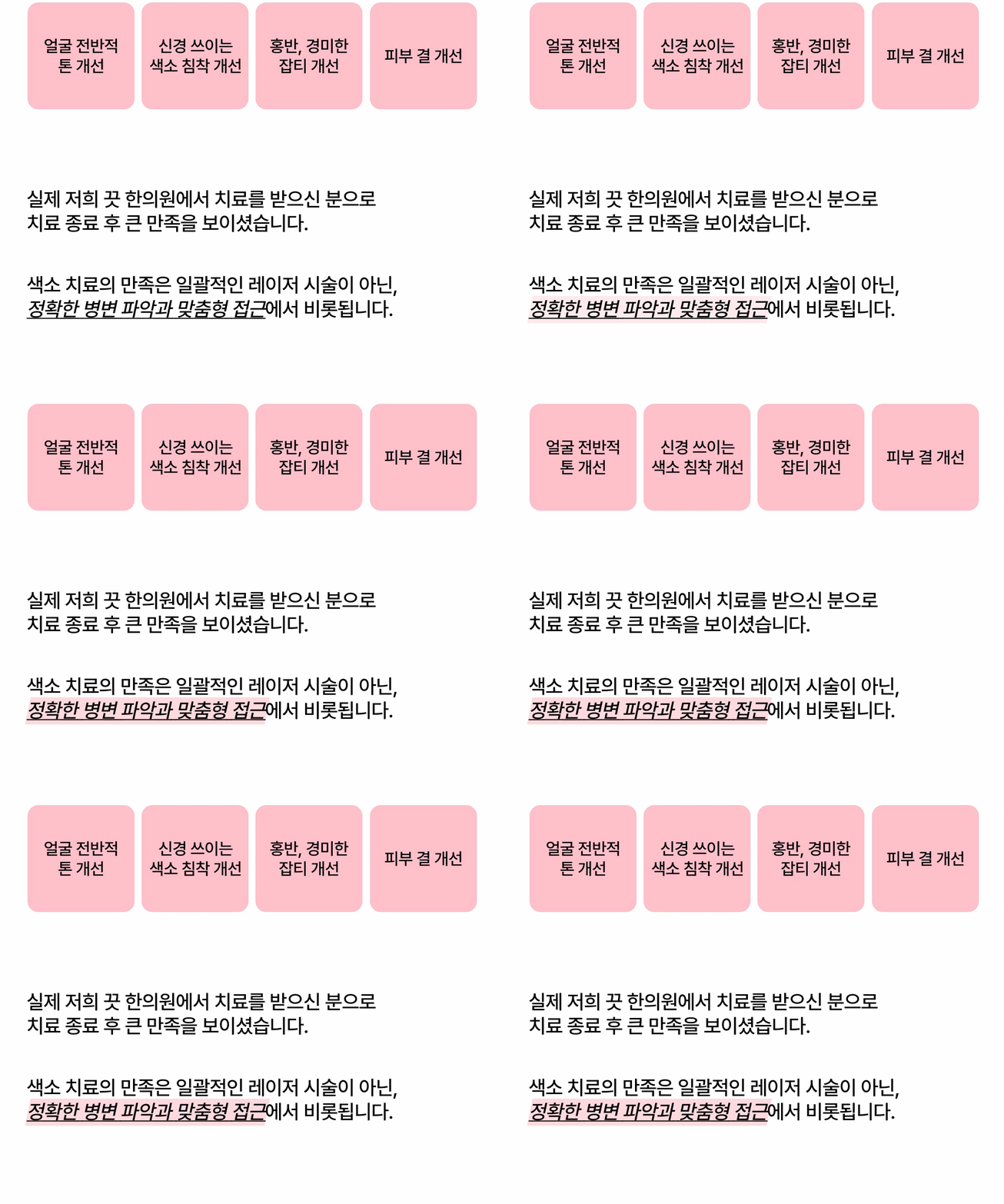






Laser Toning, Kkeut Korean Medicine Clinic's Unique Features
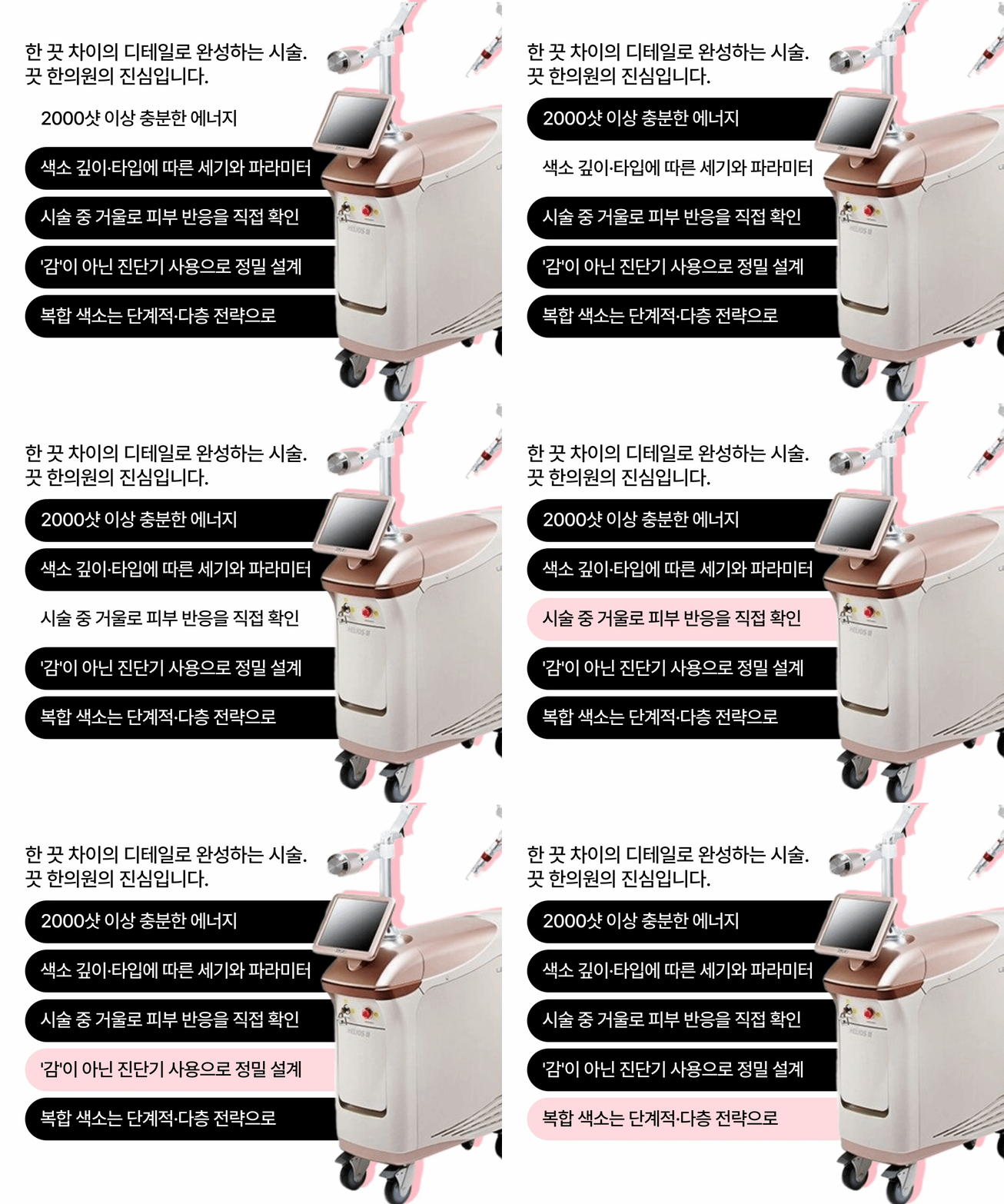
- 1. Meticulous Treatment Utilizing Sufficient Energy
- Rather than treatments that quickly reduce the number of shots with low output, we aim for a method that delicately delivers sufficient energy with over 2,000 shots. This allows us to expect the necessary effects for pigment improvement while minimizing skin irritation.
- 2. Customized Intensity Control Considering Pigment Type and Depth
- Various pigmented lesions such as melasma, ABNOM (Acquired Bilvus Nevus of Ota-like Macules), and freckles each have their unique depth and characteristics. At our clinic, we adjust the treatment to minimize skin burden for melasma, while for ABNOM, we use slightly stronger energy as needed. When complex pigmentation patterns are observed, we carefully approach by applying different intensities and parameters for each area.
- 3. Real-time Adjustment Monitoring Skin Response During Treatment
- Laser treatment is not just about operating equipment. During the procedure, the medical staff carefully checks the patient's skin reaction with them in front of a mirror. If necessary, the laser spot size, energy intensity, and even the handpiece are immediately adjusted to provide a detailed, customized treatment for each individual patient, rather than just a nominal toning procedure.
- 4. Precise Pigment Analysis Using Mark-Vu Diagnostic Device
- We do not rely solely on visual diagnosis but use the Mark-Vu diagnostic device to identify the precise location and depth of pigmentation. This allows us to meticulously analyze the type and distribution of pigments and establish a treatment plan based on this objective data.
- 5. Multi-faceted Approach to Complex Pigmented Lesions
- When multiple pigmented lesions like melasma and ABNOM appear simultaneously, a strong approach with only one method can worsen the condition. At our clinic, we first perform treatments to soothe melasma and reduce skin burden, then consider focusing on ABNOM, located in the dermis layer, with an appropriate intensity.
The Specialness of Kkeut Korean Medicine Clinic's Laser Toning
While laser toning is commonly used for improving pigmented disorders, results may vary depending on the treatment equipment, number of shots applied, and energy intensity.
Various pigmented disorders such as melasma, freckles, and ABNOM (Acquired Bilateral Nevus of Ota-like Macules) exhibit different skin depths and reaction patterns. Therefore, meticulous analysis and delicate planning are crucial before treatment.
1. Delivery of Sufficient Energy with a Minimum of 2,000 Shots
Many studies mention that low-output laser toning treatments within the range of 1,500 to 2,500 shots are relatively stable and can be expected to produce results.
At our clinic, we fundamentally use over 2,000 laser shots, planning treatments to help improve pigmentation while minimizing unnecessary skin irritation.
Skin changes are not achieved by simply operating equipment.
The process of carefully adjusting the number of shots, output energy, irradiation speed, spot size, etc., according to the depth and distribution of pigmentation, and skin sensitivity, is crucial.
2. Customized Toning Treatment by Condition
1) Melasma
Melasma is one of the representative pigmented disorders that primarily spreads and appears on both sides of the face.
Since the activity of melanocytes, which produce melanin pigment, is excessive, there is a possibility that symptoms may worsen if stimulated.
At our clinic, after meticulously analyzing the extent and depth of melasma with a Mark-Vu skin diagnostic device, treatment begins with a toning laser that has a short pulse duration of 5 nanoseconds (ns).
We strive to reduce the risk of side effects by minimizing stimulation to the melanocytes themselves and selectively destroying melanosomes within them.
During the treatment, the medical staff checks the patient's skin in the mirror with them, adjusting the energy intensity and areas requiring concentration. This also includes replacing handpieces or finely tuning parameter settings to ensure no area is neglected.
We proceed with the treatment by checking the skin condition together through a mirror, not only before, but also during and after the procedure.
2) ABNOM (Acquired Bilateral Nevus of Ota-like Macules)
ABNOM is a condition where pigmentation settles in the dermis layer, similar to melasma, but often requires stronger energy than melasma.
When a complex pattern of melasma and ABNOM appears simultaneously, opposing treatment approaches are required: a relatively gentle approach for melasma and a higher intensity for ABNOM. This is where the medical team's technical expertise is extremely important.
Specifically, applying strong energy without prior melasma treatment may worsen melasma symptoms.
At our clinic, through meticulous differential diagnosis and individualized treatment plans before the procedure, we reduce the risk of side effects and set the appropriate energy intensity for each patient to improve ABNOM as well.
For ABNOM treatments, after differentiating the lesions with Mark-Vu diagnostics, patient-specific parameters are applied. We meticulously adjust the spot size, number of irradiations, output energy, etc., according to skin type.
3) Other Pigmented Disorders
Lentigo, freckles, and blemishes are pigmented lesions that can be relatively quickly improved with the use of appropriate wavelengths. However, when these lesions appear alongside melasma or ABNOM, the difficulty of treatment tends to increase.
In such complex situations, precise diagnosis along with a delicate, customized approach is necessary, including checking skin reactions in the mirror during each treatment, adjusting output, and changing laser handpieces. Through these individualized approaches, our clinic aims to provide patient-centered, customized melanin pigmentation treatment that goes beyond merely the name 'laser toning'.
Differences Between Pico Toning and Laser Toning
Pico toning utilizes extremely short laser pulses measured in picoseconds, enabling a finer breakdown of pigments.
Conversely, laser toning operates in nanoseconds, delivering energy over a relatively longer duration than pico toning.
Both treatments selectively destroy melanin pigment to improve skin tone and can be used for the management of various pigmented disorders such as melasma, freckles, and ABNOM (Acquired Bilateral Nevus of Ota-like Macules).
Due to differences in laser irradiation time, picotoning may show a faster response in the initial 2-3 treatments. However, there are reports that both methods can achieve similar whitening effects with consistent treatment over 10 sessions or more.
Laser toning is a method whose effectiveness has been proven for nearly 20 years, and it can be a relatively stable option, especially for sensitive skin or conditions like melasma that can be sensitive to irritation.
Picotoning delivers strong energy in a short period, so in some cases, temporary erythema or slight stinging may occur.
Clinical studies comparing the 1064nm wavelength have repeatedly shown no statistically significant difference between the two treatments in improving skin brightness, alleviating melasma symptoms, and reducing melanin index.
So, what is important to achieve the effects of laser toning comparable to picotoning?
Consistent, repeated treatments of 10 sessions or more are an important consideration for treatment effectiveness.
Adjust the appropriate energy intensity within the 1.0-2.0 J/cm² range according to the individual's skin response.
We recommend at least 2000 shots for sufficient treatment results.
It is best to maintain an interval of 1-2 weeks. If the treatment interval is too long, the cumulative effect may decrease.
Receiving treatment from medical professionals who can adjust parameters in real-time according to individual skin type and response can help achieve good results.
If the aforementioned treatment conditions are faithfully followed, similar results to picotoning can be expected based on various research findings.
All the contents discussed above have been compiled by referencing relevant research papers.
Research data include Medicina (Kaunas, 2022), Lasers in Medical Science (2021), and Journal of Cosmetic and Laser Therapy (2021).
Understanding Laser Toning
Laser toning is a procedure that repeatedly irradiates the skin with low-output laser energy deep into the skin to gradually break down pigments and evenly refine skin tone.
Unlike treatment methods that burn pigments all at once with strong output, this procedure works by accumulating subtle stimuli to gently break down melanin and aid the skin's natural regeneration.
It is a widely applicable method for various pigmentary disorders such as melasma, blemishes, and acquired bilateral nevus of Ota-like macules (ABNOM), while reducing the burden on the skin, and is one of the most commonly used pigment treatments today.
1. Type of laser used: Q-switched Nd:YAG laser
Q-switched Nd:YAG lasers are primarily used for laser toning treatments.
The 1064nm wavelength of this laser can reach the upper dermis where melanin pigment is mainly distributed, helping to selectively destroy pigment while reducing damage to the skin surface.
It focuses on pigment removal while aiming to preserve the skin barrier, making it a viable treatment option for those with relatively sensitive or thin skin.
2. Tone improvement through low output, repetitive stimulation
If traditional pigment treatment involved removing pigments all at once with a strong laser, laser toning utilizes the principle of consistently irradiating low-energy laser thousands of times.
This method minimizes skin tissue damage, gradually breaks down melanin particles, and then helps our body's immune system (macrophages) absorb and remove them.
As a result, an improvement in skin tone, becoming gradually more even and clear, can be expected.
3. Blocking melanin transport pathways and removing melanin within pigment cells
Laser toning goes beyond destroying pigments; it also plays a role in regulating melanin production and transport pathways themselves.
Specifically, damaging the dendrites of melanocytes is one of the important mechanisms.
Dendrites (sheaths) act as pathways that deliver mature melanosomes (melanin carriers) produced in melanocytes to the outer epidermis of the skin.
When the laser damages these dendrites, melanin carriers cannot move out of the skin, which helps reduce pigment deposition on the skin surface.
In conjunction with this, it directly breaks down the melanin pigment accumulated within melanocytes, which can contribute to improving existing hyperpigmentation.
These actions are characteristic features primarily observed in laser treatments using 'nanosecond' or 'picosecond' pulse durations.
This can be seen as an important working principle of treatments such as laser toning or pico toning.
Three Key Principles of Laser Toning
These are the three main treatment approaches of laser toning.
Laser toning is a procedure that goes beyond simply removing melanin pigment; it contributes to skin improvement by regulating overall melanin production and transport.
1. Breaking down already formed pigment particles
For pigmentary disorders other than melasma (e.g., blemishes, ABNOM), improvement can be expected by removing melanin with relatively strong parameters.
However, melasma is sensitive to external stimuli, so careful energy control is essential during treatment, and it is important to avoid stimulating melanocytes excessively with improper stimulation.
2. Blocking melanosome transport through dendrite destruction
By hindering the pathway of melanosomes, produced by melanocytes, from migrating to the epidermis, it can help prevent the occurrence of hyperpigmentation.
3. Direct breakdown of melanin accumulated within melanocytes
Laser energy directly breaks down melanin pigment within melanocytes, contributing to a reduction in melanin concentration and brightening the overall skin tone.
Expected Effects of Laser Toning
- 1. Brighter skin tone improvement: Micro-laser stimulation gently breaks down melanin pigments, leading to an overall brighter and clearer complexion.
- Aims to alleviate melasma and hyperpigmentation. By selectively destroying melanosomes without directly stimulating melanocytes, it can help improve melasma in sensitive skin.
- Improvement in Acquired Bilateral Nevus of Ota-like Macules (ABNOM) is expected. With customized intensity control that can reach dermal pigments deeper than melasma, it can contribute to the reduction of dermal pigmentation.
- Focuses on reducing the burden of recurrence by inhibiting pigment production. By destroying dendrite sheaths, which are pigment migration pathways, it helps prevent melanin exposure on the surface and suppresses overall pigment regeneration.
- It can also impact fine lines and skin texture. Laser stimulation promotes skin regeneration, leading to a more refined skin texture and the secondary benefit of smoother fine lines.
- Aims for gradual improvement while minimizing skin irritation. By irradiating multiple times with low output, skin burden is reduced, making it a viable option even for sensitive skin.
Recommended for Laser Toning
- 1. Individuals concerned about dull and uneven skin tone
- 2. Individuals who experience persistent or worsening pigmentary lesions such as melasma, blemishes, and freckles
- 3. Individuals with deep dermal pigmentation, such as ABNOM (Acquired Bilateral Nevus of Ota-like Macules)
- 4. Individuals with thin and sensitive skin who are cautious about pigment treatment
- 5. Individuals also considering improvement in fine lines or skin texture
- 6. Individuals who desire consistent skin changes while minimizing skin irritation
Laser Toning Procedure
- STEP 1. Precise skin diagnosis using Mark-Vu to accurately identify the depth and extent of pigmentation that is difficult to determine with the naked eye.
- STEP 2. The director conducts a 1:1 consultation to establish a personalized treatment plan.
- STEP 3. After setting laser parameters according to the individual's skin condition, the laser toning procedure begins. Before the procedure, a final check is made with the director while looking in a mirror.
- STEP 4. During the procedure, the patient and director check the mirror together to re-examine areas that require special focus.
- STEP 5. After the procedure, the treated area is checked again in the mirror, and information on future progress and care methods is provided.
A Message from the Chief Director
Many individuals have long suffered from pigmentary disorders such as melasma or ABNOM.
You may feel anxious, wondering 'Can it really get better?' or 'Will the pigmentation actually worsen?'
Therefore, our medical team strives to ensure that pigment treatment is not merely a procedure that solely relies on equipment.
We carefully assess the patient's skin condition and adhere to the principle of precisely treating only the necessary areas with the appropriate amount.
Pigmentary lesions require different approaches depending on skin depth and individual sensitivity.
We have structured the laser toning procedure to be a systematic process that goes beyond a mere formality, allowing for meaningful improvement. We will do our best to help patients achieve better results.
Post-Procedure Precautions
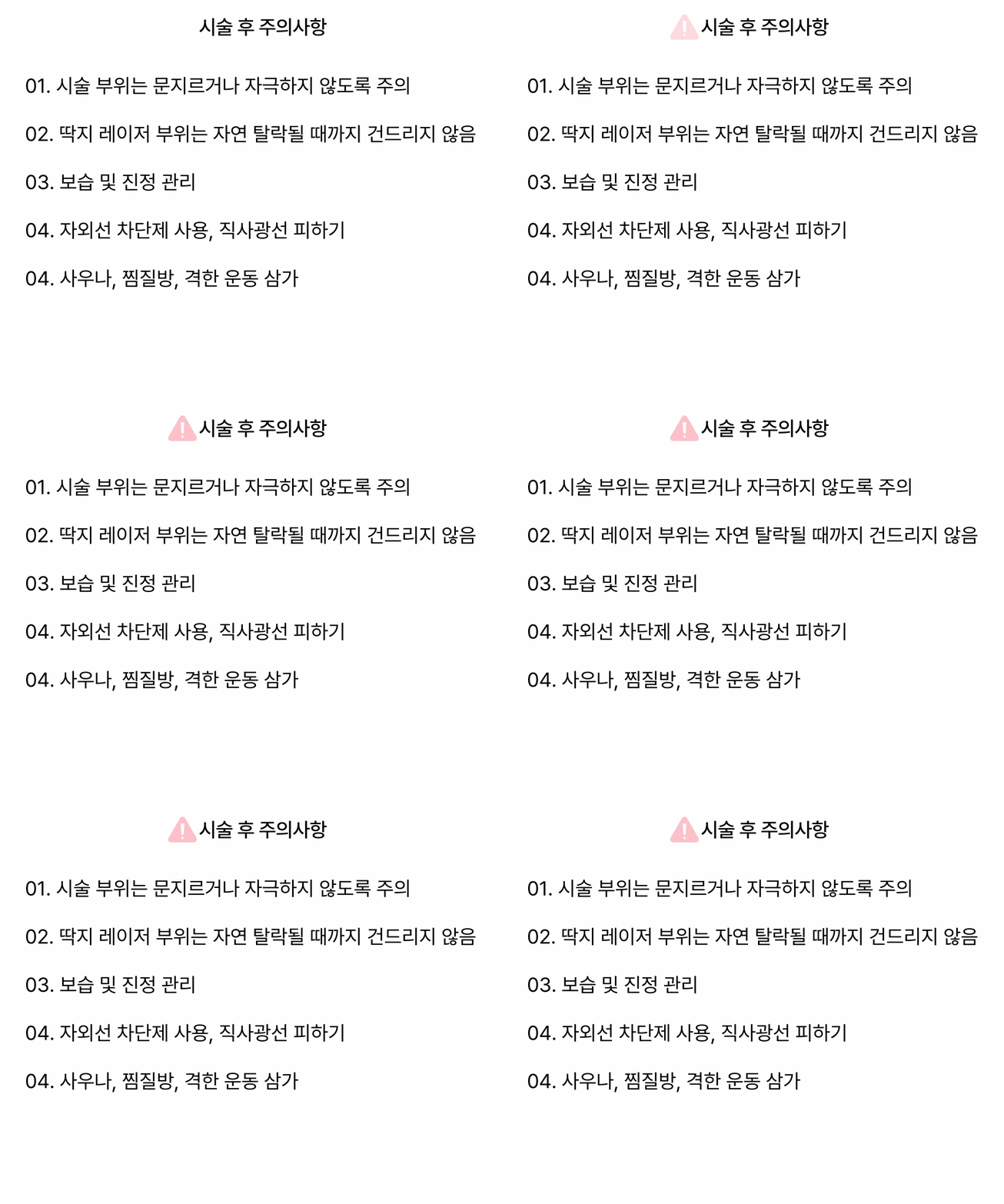
- ㆍYou can wash your face and apply makeup starting from the day of the procedure. We recommend paying special attention to sun protection.
- ㆍFor temporarily sensitive skin after the procedure, it is advisable to pay extra attention to soothing and moisturizing care.
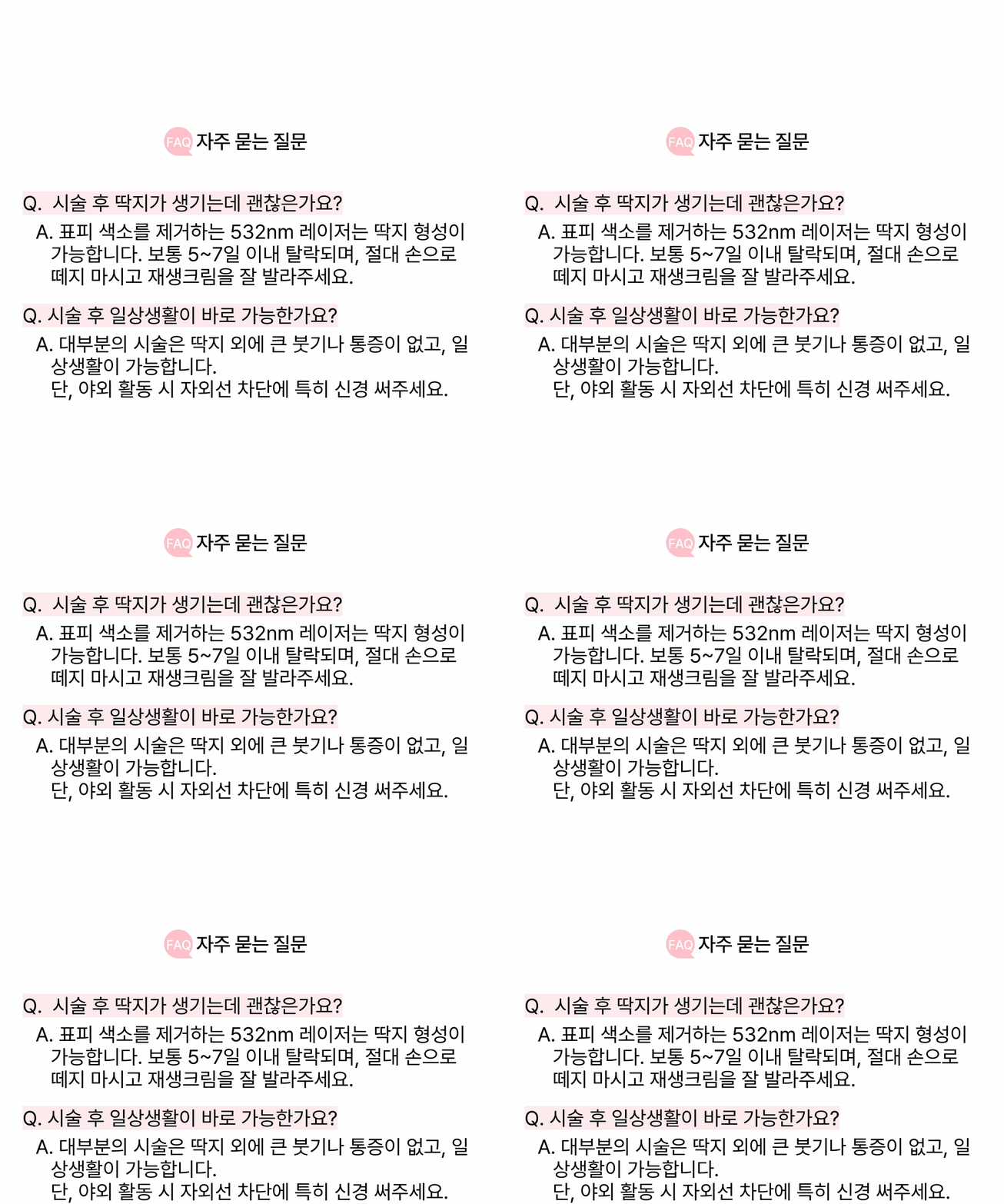
- ㆍSwelling or redness may appear on the treated area, but most symptoms will naturally subside over time. If these symptoms persist for several days or longer, please inform the medical staff.
Pico Toning Procedure Process
첫 상담부터 마무리까지의 실제 진행 순서를 확인하세요.
- 01
Self-cleansing to prepare the skin surface
- 02
Detailed Mark-Vu diagnostic scan to assess skin condition
- 03
Consultation with medical staff regarding individual skin concerns
- 04
Parameter setting tailored to individual condition and Pico Toning procedure
- 05
Application of regenerative cream to protect the treated area
시술 기본정보
시술 시간, 마취, 회복, 유지기간을 한 번에 확인하세요.
TIME
Within 20-30 minutes
ANESTHESIA
No anesthesia
RECOVERY
Immediate return to daily life
Ideal For
One Fine Difference makes real results.
- KKEUT POINT 01
It can be beneficial for those considering skin tone improvement and alleviation of pigmented lesions.
Q&A
고객님들이 가장 많이 물어보시는 내용을 모았습니다.
What is the recommended frequency and number of laser toning sessions?

Generally, we recommend sessions every 1-2 weeks, and consistent management of 10 or more sessions may be advised to expect improvement. The frequency may vary depending on individual skin condition, so it is important to consult with a specialist.
Is it possible for acne to occur after toning treatment?
Occasionally, after the procedure, if sebaceous gland activity is high, temporary acne may appear. Such reactions usually tend to subside over time. Please be careful not to irritate your skin and pay attention to moisturizing. If it persists for more than a week or causes significant discomfort, it is recommended to consult with medical staff to check the progress.
Cautions
Results = Treatment × Aftercare. Please follow the notes below.
It is recommended to avoid using peeling agents that may irritate the skin for about a week after the procedure.
To reduce the occurrence of hyperpigmentation, please avoid sun exposure as much as possible and consistently apply sunscreen.
On the day of the procedure, it is beneficial for skin recovery to refrain from visiting saunas, public baths, jjimjilbangs, swimming pools, as well as smoking or drinking alcohol.